The Role of Hydration in Athletic Performance: The Importance of Water Intake
Whether you’re training for your first 5K or fine-tuning your performance for a competitive sport, there’s one factor that can elevate or sabotage your progress—hydration. At New Mind & Body Personal Training Center, we emphasize hydration not as an afterthought but as a fundamental part of athletic development. The science is clear: even slight dehydration can impair physical output, slow reaction time, increase injury risk, and delay recovery. In this article, we’ll explore how water intake supports athletic performance, why electrolytes matter, and what practical steps athletes can take to stay ahead.
Table of Contents
Why Water is Vital for Athletic Performance
Water makes up around 60% of the human body and about 70–80% of muscle tissue. It plays a direct role in regulating body temperature, lubricating joints, transporting nutrients, and facilitating muscle contractions. Even a slight drop in hydration can lead to measurable performance declines. Studies have shown that losing just 1–2% of your body weight through sweat can impair endurance, reduce strength, and delay recovery.
When you exercise, your body produces heat. Sweating is your natural cooling system, but it also means you’re losing fluids and electrolytes. Without proper hydration, the heart works harder to pump blood, muscles receive less oxygen, and fatigue sets in more quickly. For athletes pushing through tough training sessions or competing in intense environments, staying hydrated can make the difference between performing at your best and hitting a wall.
The Impact of Dehydration on Performance
Dehydration affects more than just how you feel—it alters your physical output and mental clarity:
- Endurance declines: Your heart rate increases and your body burns through energy stores faster, leading to early fatigue.
- Muscle cramps and stiffness: Without enough water and electrolytes, muscles are more prone to cramping and reduced flexibility.
- Decreased power and strength: Dehydrated muscles don’t contract as efficiently.
- Cognitive impairment: Focus, decision-making, and reaction time can all suffer when you’re dehydrated.

Research shows that even mild dehydration can decrease physical performance by up to 10%, and the effects compound with ongoing fluid loss. In sports and training, that kind of drop-off can significantly impact results.
Hydration and Recovery
Hydration isn’t just crucial during workouts—it’s essential after them too. Water helps transport nutrients that repair muscle fibers, remove waste products like lactic acid, and maintain electrolyte balance. Recovery slows down when the body doesn’t have enough fluid to perform these functions efficiently.
Protein synthesis, a key process in muscle repair, is less effective in a dehydrated state. Joint health also takes a hit, as water is necessary to keep cartilage soft and pliable. For those training multiple times a week, consistent hydration can speed up recovery time and reduce the risk of injury.
Adequate post-exercise hydration also improves sleep quality and hormone balance, both of which are essential for full recovery. A well-hydrated body can handle higher training volumes and intensity over time.
Recognizing Dehydration
Thirst isn’t always a reliable indicator. By the time you feel thirsty, you may already be mildly dehydrated. Here are some common signs to watch for:
- Dry mouth or lips
- Dark-colored urine
- Headaches or lightheadedness
- Fatigue or decreased coordination
- Muscle cramps
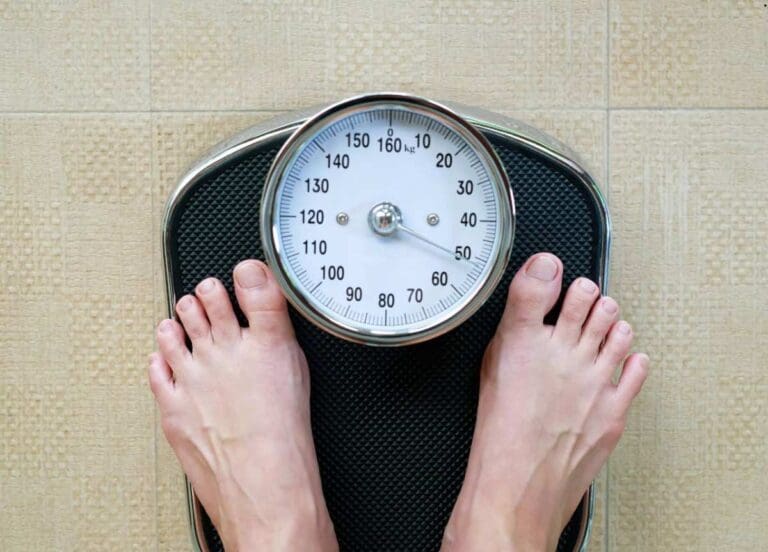
Athletes can benefit from daily hydration tracking or periodic weigh-ins before and after workouts. Even a 1-2% loss in body weight from sweat suggests a need for aggressive rehydration.
The Role of Electrolytes
Sweat doesn’t just contain water—it also includes electrolytes like sodium, potassium, calcium, and magnesium. These minerals are vital for muscle contractions, nerve signaling, and maintaining fluid balance. Drinking only water after heavy sweating can sometimes dilute these electrolytes, leading to imbalances.
Athletes training for long durations or in hot environments should consider electrolyte-enhanced drinks or include naturally rich sources like bananas, leafy greens, and coconut water in their diets. Sports drinks are another option but watch for excess sugars and additives.
Electrolyte balance is especially important for endurance athletes or those training in the heat. Signs of low sodium can include bloating, muscle twitching, or a sudden drop in performance despite regular water intake.
Hydration Guidelines for Athletes
Every athlete is different, and sweat rate varies based on body size, intensity, environment, and clothing. However, general guidelines provide a solid foundation:

Before training: Aim to drink 16–20 oz of water 2–3 hours before exercise.
During training: Sip 7–10 oz every 10–20 minutes, adjusting for heat and intensity.
After training: For every pound lost through sweat, drink 20–24 oz of fluid to rehydrate fully.
Weighing yourself before and after workouts can give you a clearer picture of how much fluid you lose. Pair this with regular hydration tracking to create a more personalized plan.
Advanced athletes often go further by calculating their sweat rate (fluid loss per hour of exercise) and adjusting intake accordingly. This level of detail can lead to measurable gains in endurance, energy stability, and muscle retention.
Don’t Overdo It
It’s possible to drink too much water. Overhydration, or hyponatremia, occurs when sodium levels in the blood get too diluted. This condition can be dangerous and often occurs in endurance athletes who consume large volumes of plain water over long periods without replacing electrolytes.
The key is balance: drink according to thirst and conditions, and include electrolytes when sweating heavily or training for long durations.
To avoid overhydration, athletes should also be aware of their individual needs. Drinking excessively in anticipation of a long workout can sometimes do more harm than good.
Hydration and the Mind-Body Connection
Proper hydration supports more than just muscles—it also influences your mental state. Dehydration can lead to irritability, decreased alertness, and poor decision-making. Athletes, especially those in high-pressure or strategic sports, need full mental clarity to perform well.
Consistent hydration supports mood regulation, focus, and quicker reaction times, all of which are crucial for athletic and daily performance alike.
Mental fatigue caused by dehydration can be mistaken for lack of motivation or overtraining. Keeping fluid intake steady helps avoid these false signals.
Technology and Hydration Monitoring
Advances in wearable tech now allow for more precise hydration monitoring. Smart bottles, hydration trackers, and sweat sensors are helping athletes tailor their fluid intake more accurately. These tools aren’t essential for everyone but can provide useful insights for competitive athletes or those training in extreme conditions.
Some devices track sweat composition in real time, offering real-world feedback during workouts. Others integrate with fitness apps to adjust hydration recommendations based on activity levels, weather, and training load.
Final Thoughts
Hydration is one of the simplest yet most powerful performance tools available to athletes. Whether you’re strength training, running long distances, or simply trying to stay energized and injury-free, water plays a starring role in your success.
Athletes should treat hydration like any other part of their training regimen—with intention, consistency, and personalization. By staying ahead of fluid loss, you improve not only your performance but also your long-term health.