The Importance of Proper Form in Weightlifting for Injury Prevention
When it comes to strength training, lifting with power, confidence, and consistency is every athlete’s goal. But none of that matters if you’re sidelined by pain or injury. Proper form isn’t just a tip for beginners—it’s a long-term strategy for safety, performance, and progress at every level of fitness.
At New Mind & Body Personal Training Center, our trainers are dedicated to guiding clients through proper lifting mechanics from day one. By focusing on form first, we help reduce the risk of injuries while building lasting strength and stability in a private, judgment-free setting.
Table of Contents
Why Proper Form Should Never Be an Afterthought
When someone picks up a barbell or sets up for a squat, there’s often a strong focus on how much weight they can move. It’s natural to want to challenge yourself. But pushing heavy loads without mastering technique is like driving a car with bad brakes—it might go fast, but it won’t stop safely. Proper form isn’t just about looking good while lifting; it’s about moving efficiently, minimizing wear and tear, and building strength in the right areas.
Correct technique ensures the muscles, joints, and connective tissues are working together in harmony. When the body is aligned properly during a lift, the load is distributed across the right muscle groups. This reduces stress on vulnerable areas like the lower back, shoulders, and knees. In contrast, poor alignment can overload joints or cause muscular imbalances that lead to chronic pain or acute injuries.
Common Weightlifting Injuries Linked to Poor Form
Lifting with incorrect form often leads to predictable types of injuries. Many of these injuries don’t appear suddenly—they develop over time from small mechanical faults that repeat under load. Some of the most common issues include:
Lower back strains: Often caused by rounding the spine during deadlifts, squats, or rows. This puts pressure on the lumbar discs and ligaments.
Rotator cuff injuries: Result from poor shoulder control during pressing or pulling movements, especially when the elbows flare out too far or the shoulder blades aren’t stabilized.
Knee pain or tendonitis: Often due to the knees collapsing inward during squats or lunges, or improper tracking over the toes.
Elbow and wrist strain: Can occur from gripping the bar incorrectly or locking out too aggressively at the wrong angle.
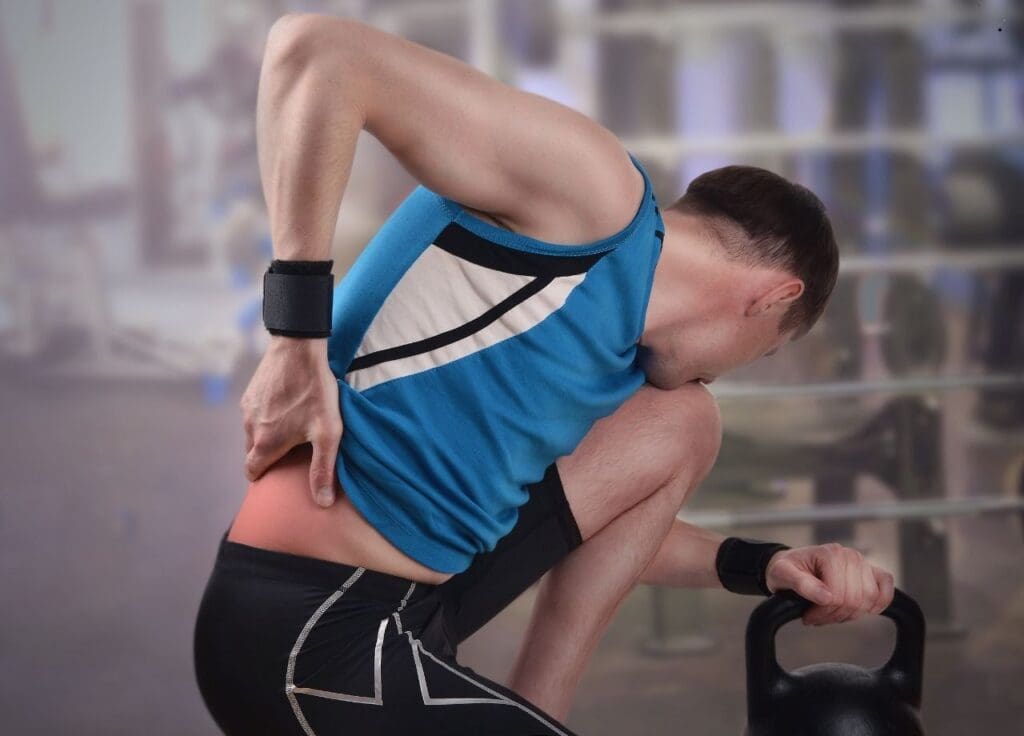
These injuries don’t just disrupt workouts—they can derail long-term progress, require physical therapy, and cause lasting setbacks. In some cases, they could even require surgical intervention if ignored for too long.
How Proper Form Enhances Performance and Longevity
When you lift with good technique, your body becomes more efficient. Muscles fire in the right sequence, joints remain supported, and movements become smoother. This doesn’t just reduce the risk of injury—it also leads to better strength gains and faster improvements.
Proper form allows you to:
- Activate the correct muscles, especially stabilizers that often go neglected when lifting with momentum.
- Maximize muscle contraction and time under tension, which supports hypertrophy and muscular endurance.
- Progress gradually and safely, as you’ll be able to add load over time without constantly battling aches or minor injuries.
- Maintain joint health, mobility, and flexibility—important for staying active and independent as you age.
It’s worth noting that good form isn’t just about posture. It also includes breathing mechanics, tempo, control, and awareness of your body in space. These skills improve athletic performance across all types of training.
Why Proper Form Becomes Even More Important with Age or Experience
As people age, changes in mobility, joint integrity, and muscle recovery all come into play. Older adults can absolutely lift weights and get stronger—but the margin for error becomes smaller. Poor lifting habits developed in younger years often catch up later on.
Additionally, experienced lifters can become overconfident, prioritizing heavy weights or fast workouts at the expense of good mechanics. When ego leads the way, form is often the first thing to suffer.
What’s especially important for all lifters to understand is that injuries rarely happen because of one bad rep. They tend to develop when poor form is repeated over and over—especially under fatigue or when compensating for tight or weak areas. This is where having a qualified coach or trainer can make a massive difference. Even subtle cues or small adjustments can prevent months of frustration down the line.
Key Principles for Maintaining Proper Form
While each exercise has specific mechanics, there are several universal principles that apply to nearly all compound lifts:
Neutral spine: Whether you’re doing a deadlift, squat, or push-up, keeping the spine in a neutral position protects the discs and allows force to transfer efficiently through the body.
Controlled tempo: Fast, jerky movements increase the risk of injury. Lifting with control—especially during the lowering phase—helps muscles stabilize and build strength through the full range of motion.

Full range of motion: Half-reps or shortcuts might let you lift heavier, but they don’t build functional strength. Training through the full range reinforces joint mobility and balanced development.
Core engagement: The core isn’t just your abs—it includes the deep muscles that support the spine and pelvis. Bracing the core during lifts creates a strong base and helps protect the back.
Proper breathing: Holding your breath too long (or exhaling too early) during a lift can spike blood pressure or compromise bracing. Learning how to coordinate breath with movement adds power and control.
These aren’t just good ideas—they’re backed by biomechanical research and years of observation across training populations. They also form the foundation of how we coach movement at New Mind & Body.
How to Tell if Your Form Needs Work
Not every mistake is obvious. Even experienced gym-goers can miss key details in their movement. Here are a few signs your form may need attention:
- You feel pain (not just soreness) in joints during or after lifting.
- You struggle to feel the target muscles working.
- You fatigue certain areas quickly, especially the lower back or shoulders.
- Your reps look different from start to finish as you tire.
- You avoid certain exercises because they “never feel right.”
One of the best tools for self-checking is video. Watching your lifts from the side or front can highlight imbalances or breakdowns you might not feel in the moment. Better yet, have a certified trainer review your movement. With real-time feedback, you can catch and correct issues early.
Form Over Load: A Smarter Way to Train
The temptation to lift heavier is understandable—it feels rewarding, boosts confidence, and reflects your effort. But numbers mean nothing if the movement isn’t safe and effective. In strength training, patience pays off. Lifting slightly lighter with great form will always produce better long-term results than grinding through heavy reps with poor mechanics.
Think of weightlifting like building a house. If the foundation is shaky, adding more floors won’t make it stronger—it’ll just collapse faster. Good form is the foundation for every future PR, every injury-free training block, and every step forward.
When lifters prioritize form, they not only stay injury-free—they gain a deeper connection to their body, more confidence under the bar, and a path toward lifelong strength and fitness. And in our private, judgment-free setting at New Mind & Body, that’s exactly what we help clients do.